Web apps and SaaS,scoped to launchand built to scale.
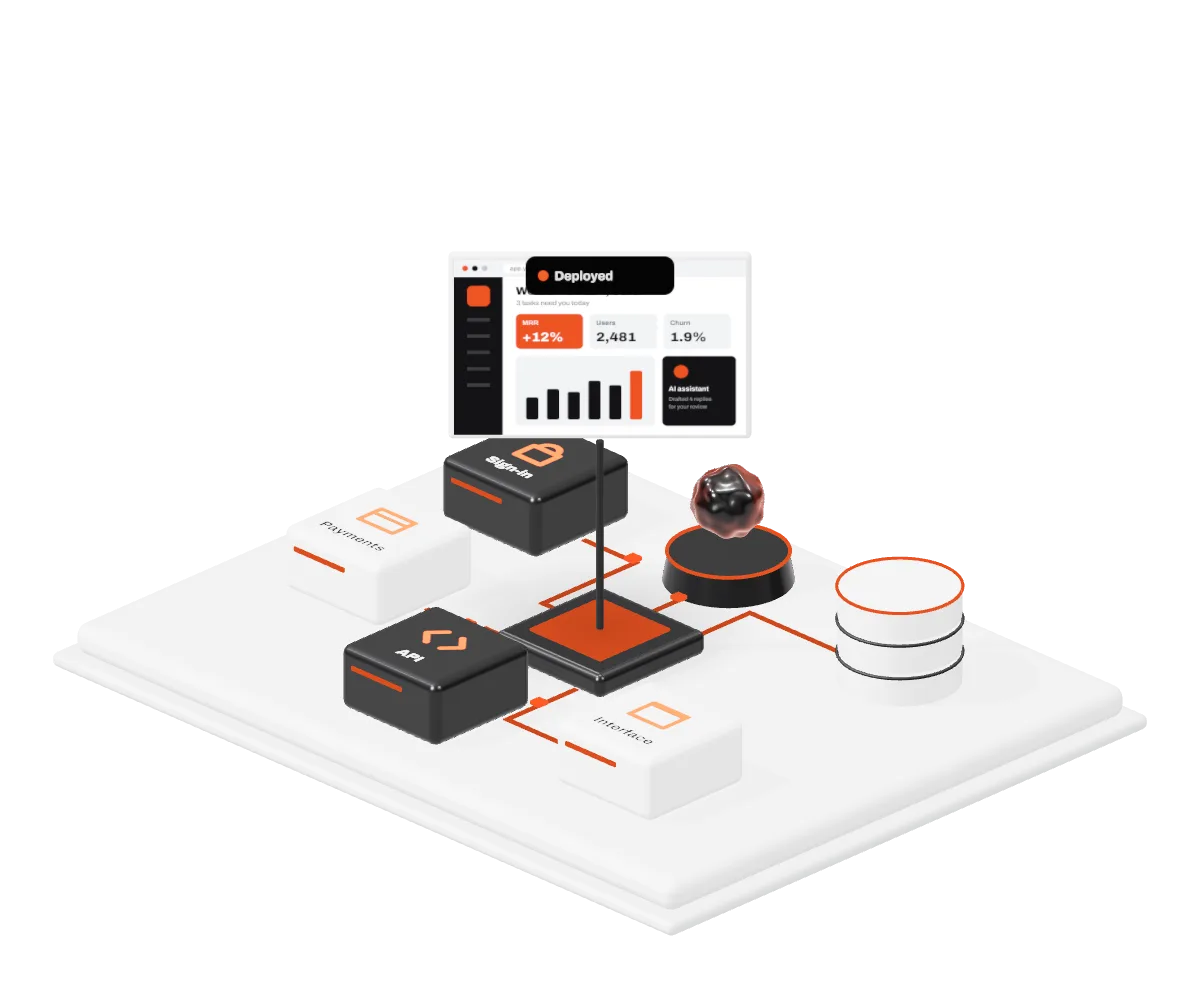
We design and build MVPs, SaaS platforms, customer portals, booking systems and internal tools. The first release focuses on the one job users will pay for. It runs on a mainstream stack any good developer can pick up, and AI features are added only where they earn their place.
Most first versions fail by doing too much. The useful question is not "what features do we need?" but "what is the smallest product someone will pay for?"
We have written about this at length in our guides on validating a SaaS idea and what to build first, because it is where most budgets are won or lost. Before design starts, we work with you to cut the first release down to the core workflow, accounts, billing and the admin tools you will need on day one. Everything else goes on a written "later" list.
Then we build properly. That means typed code, automated tests on the parts that handle money and permissions, infrastructure as code, and documentation another team could take over. A cheap MVP that has to be rewritten before you can raise or scale was never cheap.
Founders and established businesses
About half our product work is for founders launching something new. The other half is for established businesses replacing spreadsheets, building a customer portal or adding a paid digital product to an existing service. The process is the same. The definition of "launch" is different, and we agree it in writing at the start.
What we build
MVPs for new products
A focused first release with sign-up, the core workflow, payments and analytics. Designed to get real users and real feedback quickly, on a codebase you can keep building on.
Multi-tenant SaaS platforms
Organisations, roles and permissions, subscription billing with Stripe, usage limits, audit logs, admin dashboards and the security basics enterprise buyers ask about.
Customer and partner portals
Secure areas where your customers book, pay, upload documents, track orders or see their reports, connected to the systems you already run.
Internal tools and dashboards
Replacements for fragile spreadsheets and copy-paste processes, such as operations dashboards, approval workflows and data entry tools.
AI-powered features
Search, summarisation, drafting, classification and assistants built into your product with usage tracking and cost controls. See AI development.
Rescue and modernisation
Taking over an existing app that is slow, unstable or abandoned by a previous developer: audit, stabilise, then improve.
From idea to launched product
Product scoping
Users, core workflow, must-have versus later, data model and integrations, captured in a written scope with clickable wireframes.
Design
Interface design for the key screens and states, including empty, error and loading states, approved before development starts.
Build in sprints
Two-week sprints with a working staging environment, a demo at the end of each sprint and a written update every Friday.
Launch and iterate
Production deployment, monitoring, analytics and a support period, then a roadmap shaped by what real users actually do.
Our stack
Mainstream, well-documented technology that is easy to hire for. We pick per project and explain why.
Front end
- React
- Next.js
- TypeScript
- Tailwind CSS
- Vue (existing projects)
Back end
- Node.js
- NestJS
- Python
- FastAPI
- Django
- Laravel (existing projects)
Data and services
- PostgreSQL
- Redis
- Supabase
- Firebase
- Stripe
- Auth0 / Clerk
- Resend / SendGrid
Infrastructure
- Vercel
- AWS
- Google Cloud
- Docker
- GitHub Actions
- Sentry
Security and compliance from the first sprint
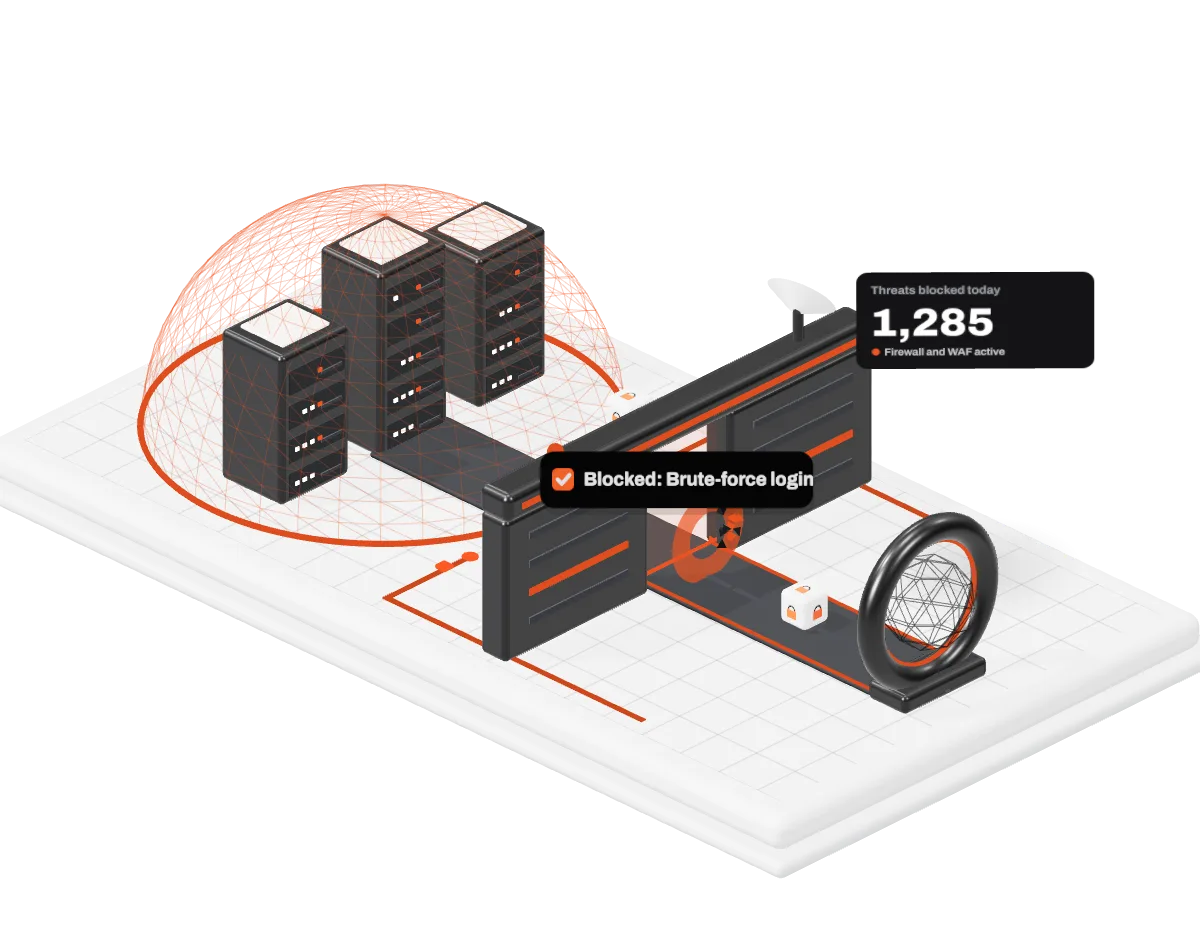
Role-based access, encrypted secrets, audit logging, backups and dependency scanning are part of the standard build, not optional extras. For products handling personal data we design for GDPR and UK GDPR, including data export and deletion. For US healthcare products we build HIPAA-aware architecture on services that sign a Business Associate Agreement.
New products sold to consumers in the EU also need to meet the accessibility requirements of the European Accessibility Act. We build to WCAG 2.1 AA from the start, because retrofitting accessibility later costs far more. Our EAA guide explains who is affected.
Common questions
How much does it cost to build a web app or SaaS MVP?
It depends on the number of user roles, the complexity of the core workflow, integrations and compliance needs, so we quote each product after a scoping session rather than publishing a price list. You receive a fixed written quote for the agreed scope before any work starts, and a clear list of what is deliberately left for later.
How long does it take to build an MVP?
Most focused MVPs take 8 to 14 weeks from approved scope to launch. Products with complex permissions, many integrations or regulatory requirements take longer. Your proposal states the timeline for your exact scope.
Should we use no-code tools instead?
Sometimes, yes. No-code tools are excellent for testing demand and for simple internal tools. When the product itself is what you sell, needs custom logic, or must scale and pass security reviews, custom code is usually the better long-term choice. Our no-code vs custom guide covers the trade-offs.
Will we own the code?
Yes. The code lives in your GitHub or GitLab organisation from the first commit, infrastructure runs in your cloud accounts, and you receive documentation and handover sessions. You can continue with us, hire your own team or both.
Can you work with our existing developers?
Yes. We regularly join existing teams to add capacity, take ownership of a specific area such as AI features or the mobile app, or set up the architecture and practices before an in-house team takes over.
Related services
Mobile apps
iOS and Android apps from one codebase, shipped to both stores.
AI development
Assistants, copilots and AI features built on your own data.
AI automation and agents
Agents that take repetitive work off your team, with a human in the loop.
Website design
Fast business websites built to rank and convert.
Describe the product you want to launch.
On a free call we will help you cut it down to a first release worth building, and explain what that release would involve and how long it would take.